Weaving Cultural Traditions into Your Wedding
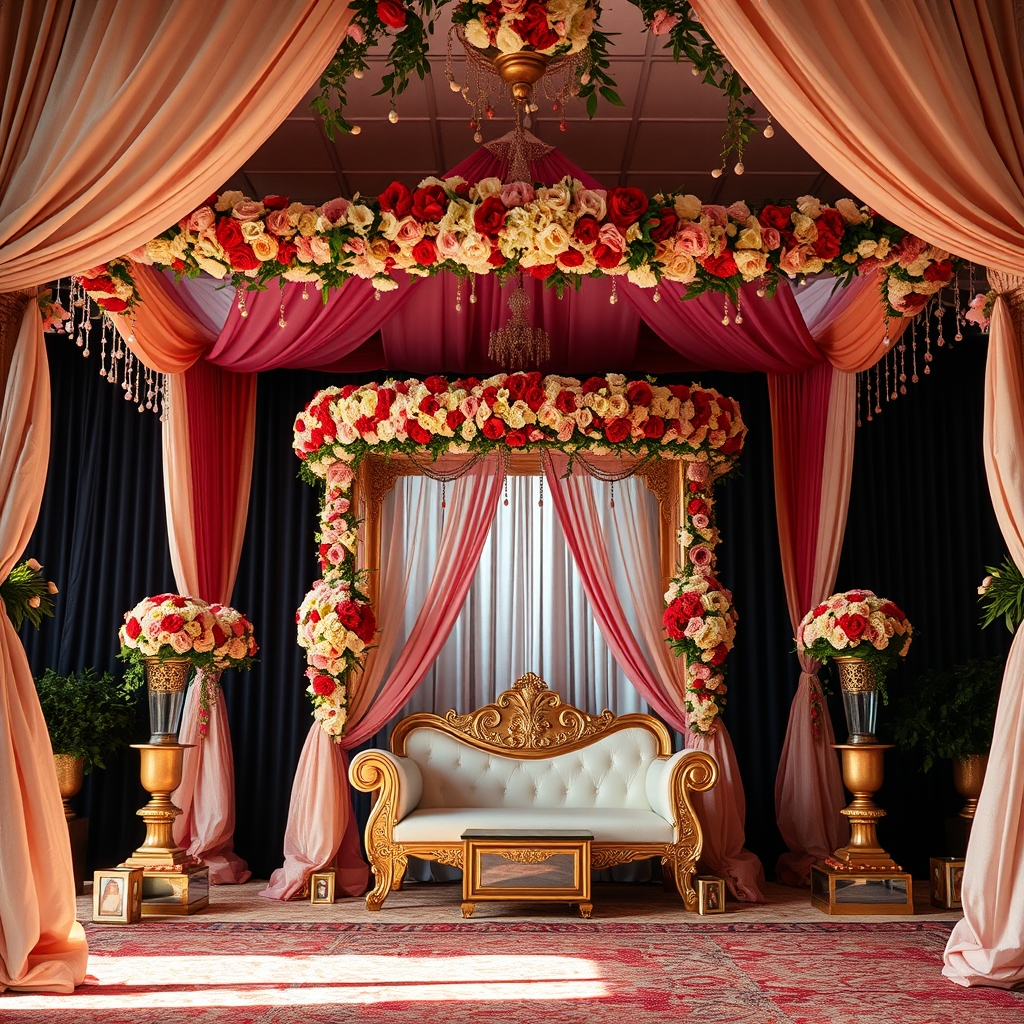
As a cultural specialist, I've had the privilege of working with couples from diverse backgrounds, helping them weave their cultural traditions into their wedding celebrations. A wedding is not just a union of two people, but also a celebration of their heritage, values, and family history.
Exploring your cultural roots and traditions is an excellent place to start when planning a culturally rich wedding. Take time to reflect on your family's history, customs, and values. What are the stories, legends, and myths that have been passed down through generations? Which traditions have been kept alive, and how can you incorporate them into your wedding celebration? This introspection will not only give you a deeper appreciation for your heritage but also inspire unique and meaningful ways to celebrate your union.
For many couples, incorporating cultural traditions from their families' countries of origin is a top priority. Indian weddings, for instance, are renowned for their vibrant colors, intricate patterns, and elaborate rituals. The traditional Indian wedding attire, often chosen by the bride and groom based on their personal preferences and family traditions, is a stunning representation of their cultural heritage. The sari, lehenga, or salwar kameez are just a few examples of the beautiful garments that are worn on special occasions. Each piece is carefully crafted with intricate embroidery, beading, or other forms of adornment, symbolizing the bride's beauty, elegance, and cultural identity.
Similarly, African weddings are known for their energetic and joyful celebrations, often featuring traditional music and dance performances. The bride and groom may choose to incorporate traditional African attire, such as the dashiki or kaftan, into their wedding party. The use of vibrant colors, patterns, and textures adds a pop of cultural flair to the wedding celebration.
Asian weddings, on the other hand, often feature stunning traditional attire, such as the qipao or cheongsam, which are carefully designed to reflect the bride's cultural heritage. The intricate embroidery, beading, or other forms of adornment not only add beauty to the garment but also tell a story about the bride's family history and cultural traditions.
Traditional music and dance performances are another essential aspect of many cultural weddings. For example, African weddings often feature lively drumming and dancing, while Indian weddings may include traditional performances like the Bharatanatyam or Kathak. These performances not only add a touch of cultural authenticity to the wedding celebration but also provide a unique and memorable experience for the guests.
Traditional wedding favors and gifts are also an excellent way to incorporate cultural traditions into your wedding celebration. For instance, Indian weddings often feature a traditional gift-giving ceremony, where the bride and groom exchange gifts as a symbol of their love and commitment to each other. Similarly, African weddings may include a traditional gift-giving ceremony, where the bride and groom receive gifts from their families and friends.
Incorporating family heirlooms and rituals into your wedding celebration is a beautiful way to honor your cultural heritage. For example, you may choose to wear a family heirloom, such as a grandmother's pearls or a great-grandfather's wedding ring, as a symbol of your connection to your family's history. You may also choose to incorporate traditional rituals, such as the Henna ceremony or the Mehndi ceremony, into your wedding celebration.
Creating a cultural wedding ceremony is an excellent way to honor your heritage and traditions. You may choose to incorporate traditional elements, such as the use of sacred objects, symbolic rituals, or traditional music and dance performances, into your ceremony. This will not only add a touch of cultural authenticity to your wedding celebration but also provide a unique and memorable experience for the guests.
Respecting cultural differences and sensitivity is essential when incorporating cultural traditions into your wedding celebration. Avoid cultural appropriation by being mindful of the cultural significance of certain traditions and customs. Instead, focus on honoring your own cultural heritage and traditions, and seek guidance from cultural experts or family members if needed.
Blending cultures for a unique celebration is also a great way to honor your heritage and traditions. By combining elements from different cultures, you can create a unique and memorable wedding celebration that reflects your individuality and style. For example, you may choose to incorporate traditional African attire into an Indian-inspired wedding celebration, or combine traditional Asian music and dance performances with modern Western elements.
In conclusion, incorporating cultural traditions into your wedding celebration is a beautiful way to honor your heritage and values. By exploring your cultural roots and traditions, incorporating traditional wedding attire, cultural music and dance performances, traditional wedding favors and gifts, and incorporating family heirlooms and rituals, you can create a unique and memorable wedding celebration that reflects your individuality and style.
Priya Patel
The Cultural Specialist
Mumbai/London based planner. Expert in multi-day fusion weddings.